
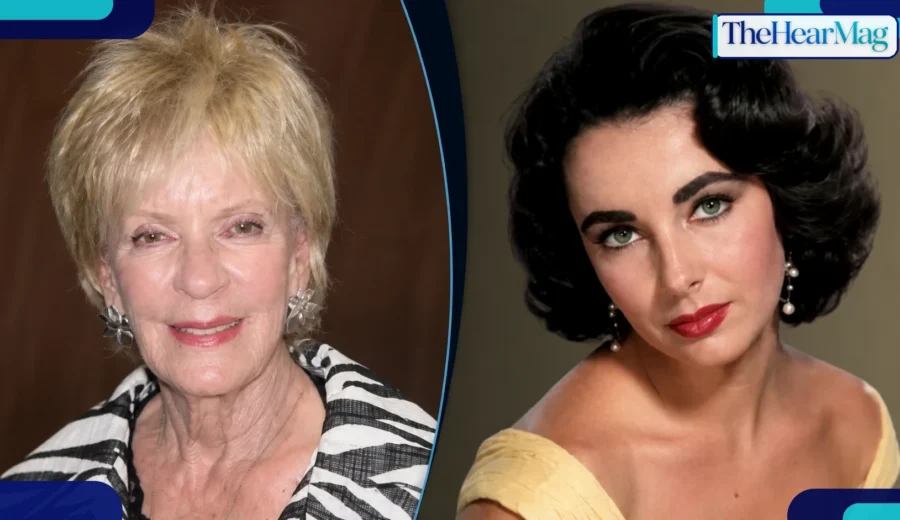
No credible public evidence establishes that Karen S. Lynch, the former CVS Health chief executive, and Elizabeth Taylor, the Oscar-winning actress and HIV/AIDS activist, were relatives, friends, colleagues or collaborators. Their names now appear together in a cluster of online articles, but the documented record shows two separate public lives rather than a shared personal or professional history.
The Karen Lynch relevant to this search is Karen S. Lynch, who led CVS Health from February 1, 2021 to October 17, 2024. Elizabeth Taylor, formally Dame Elizabeth Rosemond Taylor, died in 2011 after a six-decade screen career and decades of HIV/AIDS advocacy. The exact reason their names began appearing together online has not been reliably established.
Need to know
- No credible public record establishes a family, business, charitable or documented personal relationship between Karen S. Lynch and Elizabeth Taylor.
- Lynch is best known for leading Aetna and later CVS Health during a major expansion into healthcare services.
- Taylor won two Academy Awards for Best Actress and became a prominent HIV/AIDS advocate.
- Taylor’s HIV/AIDS work was already underway before Rock Hudson’s death in 1985.
- The online pairing of Lynch and Taylor appears to involve namesake confusion and repetition, but its original trigger remains unknown.
The connection is not documented
The central question is whether Karen Lynch and Elizabeth Taylor were connected. Based on the verified record, no such relationship has been established.
There is no reliable evidence that Karen S. Lynch and Taylor were family members, friends, business partners, colleagues or collaborators on a charitable initiative. No verified joint event, shared organization, campaign or professional project has surfaced.
That does not support an absolute claim that they “never met.” Public records can show the absence of a documented relationship, but they cannot rule out every private encounter or every possible distant genealogical connection.
The confusion is made worse by the fact that Karen Lynch is not a unique name. At least one recent article about the supposed Taylor connection linked readers to a different Karen Lynch, a North Carolina writer of young-adult paranormal fiction rather than the former CVS Health CEO. That kind of namesake error helps explain why careful identification matters here.
Karen S. Lynch’s rise in healthcare
Karen S. Lynch built her career in insurance and healthcare management before becoming one of the most prominent executives in the American healthcare industry.
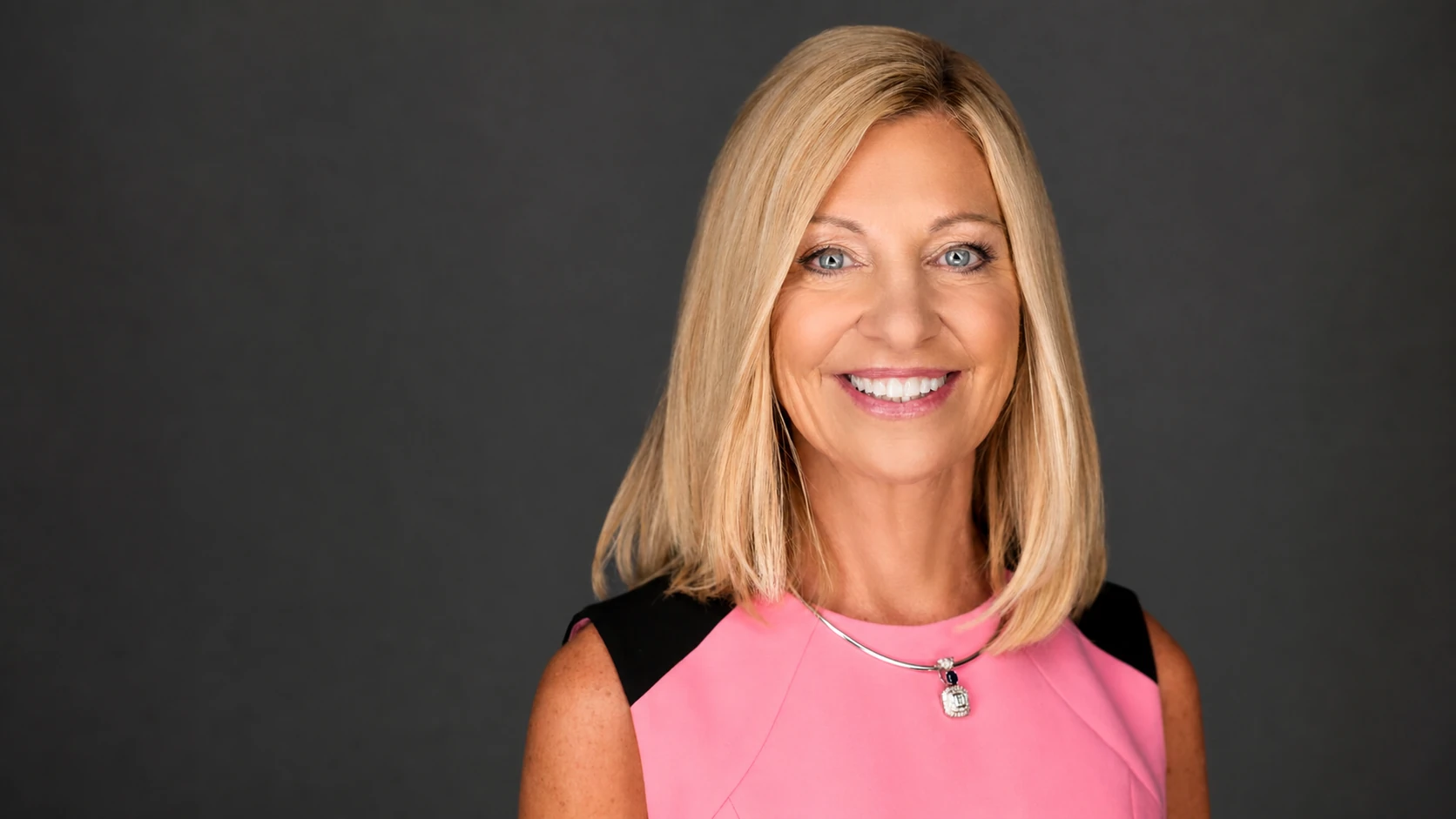
A CVS Health proxy statement filed with the SEC lists her education as a Bachelor of Science from Boston College and an Executive MBA from Boston University. It also records her leadership of Aetna before she became president and CEO of CVS Health on February 1, 2021.
Her appointment came after CVS had already expanded beyond its retail-pharmacy roots through its acquisition of Aetna. Lynch therefore took charge of a business spanning pharmacies, insurance, pharmacy-benefit management and a growing portfolio of healthcare services.
Expanding CVS beyond the pharmacy counter
One of the defining features of Lynch’s tenure was CVS Health’s effort to move more deeply into direct healthcare delivery.
In 2023, CVS completed its acquisition of Signify Health for approximately $7.8 billion and Oak Street Health for approximately $10.6 billion, according to CVS Health’s investor announcement.
Signify Health gave CVS a larger role in home-based health assessments and value-based care, while Oak Street Health added a network of primary-care centers focused largely on older adults. Together, the deals reflected a strategy of making CVS a broader healthcare company rather than simply a pharmacy chain with an insurance business.
Lynch’s career also included moments she described in personal terms. In a 2023 Fortune interview, she recalled being told earlier in her career that women were “taking up space” in the boardroom. When she became CEO, she repurposed the phrase by wearing a shirt bearing those words.
That anecdote offers a documented glimpse of how Lynch framed her own career progression without requiring assumptions about her private motivations or personality.
Her departure from CVS and current role
Lynch’s time at the top of CVS ended in October 2024.
A CVS Health SEC filing states that she ceased serving as president and chief executive officer and resigned from the company’s board on October 17, 2024. David Joyner succeeded her.
The leadership change came during a difficult period for CVS, with pressure from weaker financial performance in parts of the business and investor concern. Those conditions provide context, but the primary record should not be stretched into a single definitive explanation for Lynch’s departure.
She remained active in corporate governance after leaving CVS. As of August 30, 2026, Thermo Fisher Scientific’s board profile listed Lynch as a director since 2025 and named ADP as another current directorship. An ADP filing records that shareholders elected her to that company’s board in November 2025.
Elizabeth Taylor’s film career and public standing
Elizabeth Taylor’s public life developed in a very different field.
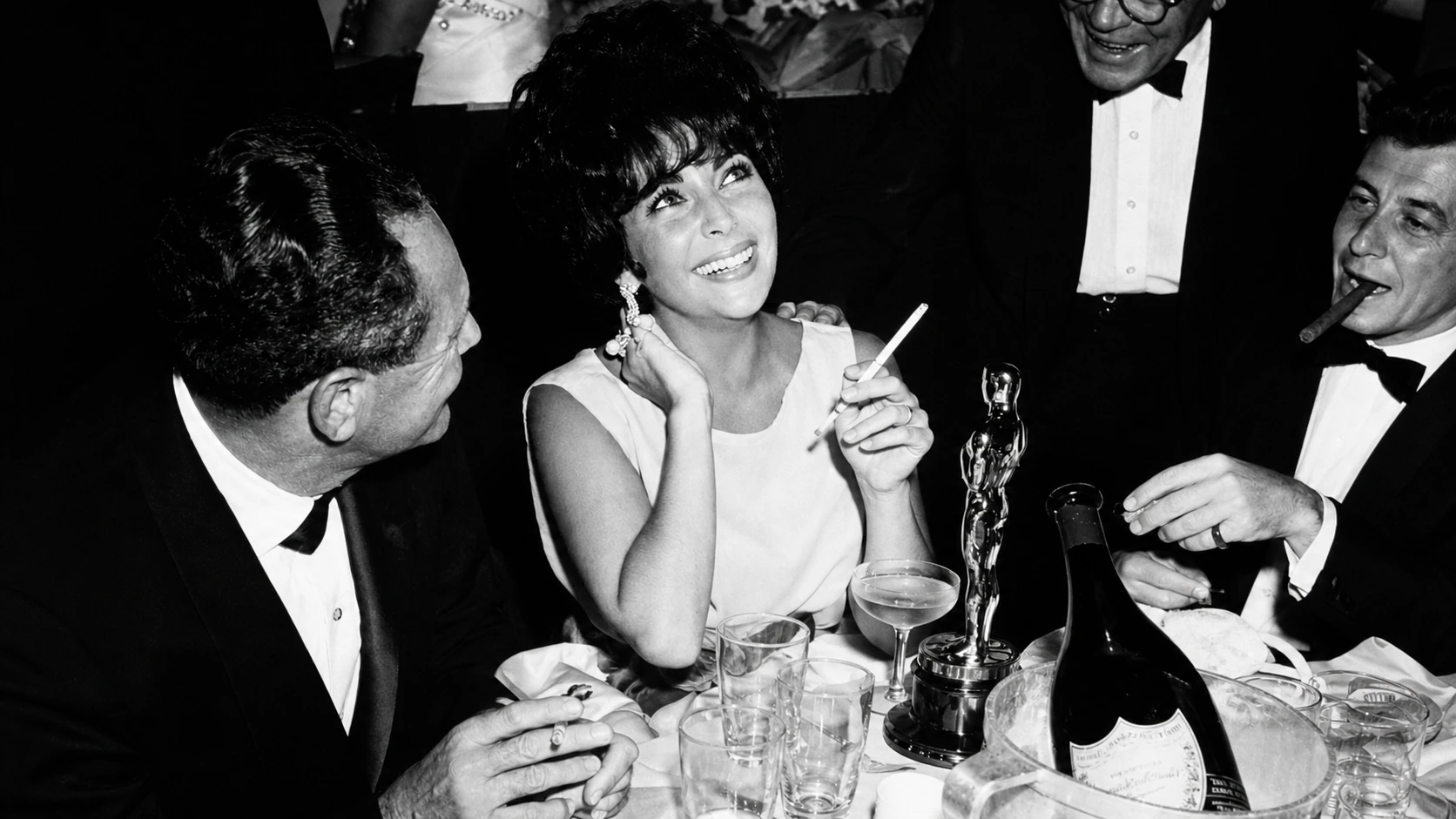
She became one of the defining stars of 20th-century Hollywood, moving from child roles into adult dramatic performances and remaining a recognizable public figure for decades. Her career stretched across roughly six decades and included some of the most widely discussed films and performances of her era.
The Academy of Motion Picture Arts and Sciences records Taylor as the 1961 Best Actress winner for Butterfield 8. She won again for Who’s Afraid of Virginia Woolf?, documented in the Academy’s 1967 ceremony record.
Those two Oscars established her as more than a celebrity figure. They also placed her among the relatively small group of performers to win multiple competitive Academy Awards for acting.
HIV/AIDS advocacy became a second public legacy
Taylor’s later public importance cannot be understood through film alone.
She became one of the most visible celebrity advocates for HIV/AIDS causes during a period when the disease was surrounded by fear, stigma and political hesitation. The chronology is important because her activism is sometimes oversimplified as beginning only after the death of her friend Rock Hudson in October 1985.
The record shows otherwise.
amfAR’s biography of Taylor dates her humanitarian commitment to HIV/AIDS to 1984. Contemporary Los Angeles Times reporting from August 1985 also documented her participation in fundraising for AIDS Project Los Angeles while Hudson was still alive.
Hudson’s illness and death became an important part of the public story of the AIDS crisis and Taylor’s advocacy, but they were not the starting point of her involvement.
Helping form amfAR
Taylor is often described simply as an amfAR founder, but the organization’s own history is more precise.
According to amfAR’s institutional history, the organization was created in September 1985 through the unification of the AIDS Medical Foundation and the National AIDS Research Foundation. Mathilde Krim and Michael Gottlieb became Founding Chairmen, while Taylor became Founding National Chairman.
Her role mattered because she brought extraordinary public visibility to a cause that still faced considerable stigma. Her celebrity helped expand fundraising and attention, but the institutional record also shows that amfAR’s creation was a collaborative process involving researchers, physicians and existing AIDS organizations.
Establishing the Elizabeth Taylor AIDS Foundation
Taylor built on that work in 1991 by creating the Elizabeth Taylor AIDS Foundation.
According to ETAF’s history, the foundation was established to support direct services, prevention and education for people affected by HIV/AIDS. ETAF also says that Taylor’s 1985 Commitment to Life fundraiser raised about $1.3 million.
The foundation gave her activism an institutional life beyond individual fundraising appearances. Rather than relying solely on Taylor’s celebrity, it created an organization capable of continuing programs and grants after her death.
Taylor died in Los Angeles on March 23, 2011, aged 79. As of August 30, 2026, the foundation she established remained active.
Two public legacies that developed separately
The only meaningful comparison between Lynch and Taylor is thematic, not personal.
Lynch’s public life is rooted in corporate healthcare leadership. Her influence came through running large organizations, overseeing strategy and participating in a period when CVS tried to integrate insurance, pharmacy operations and care delivery.
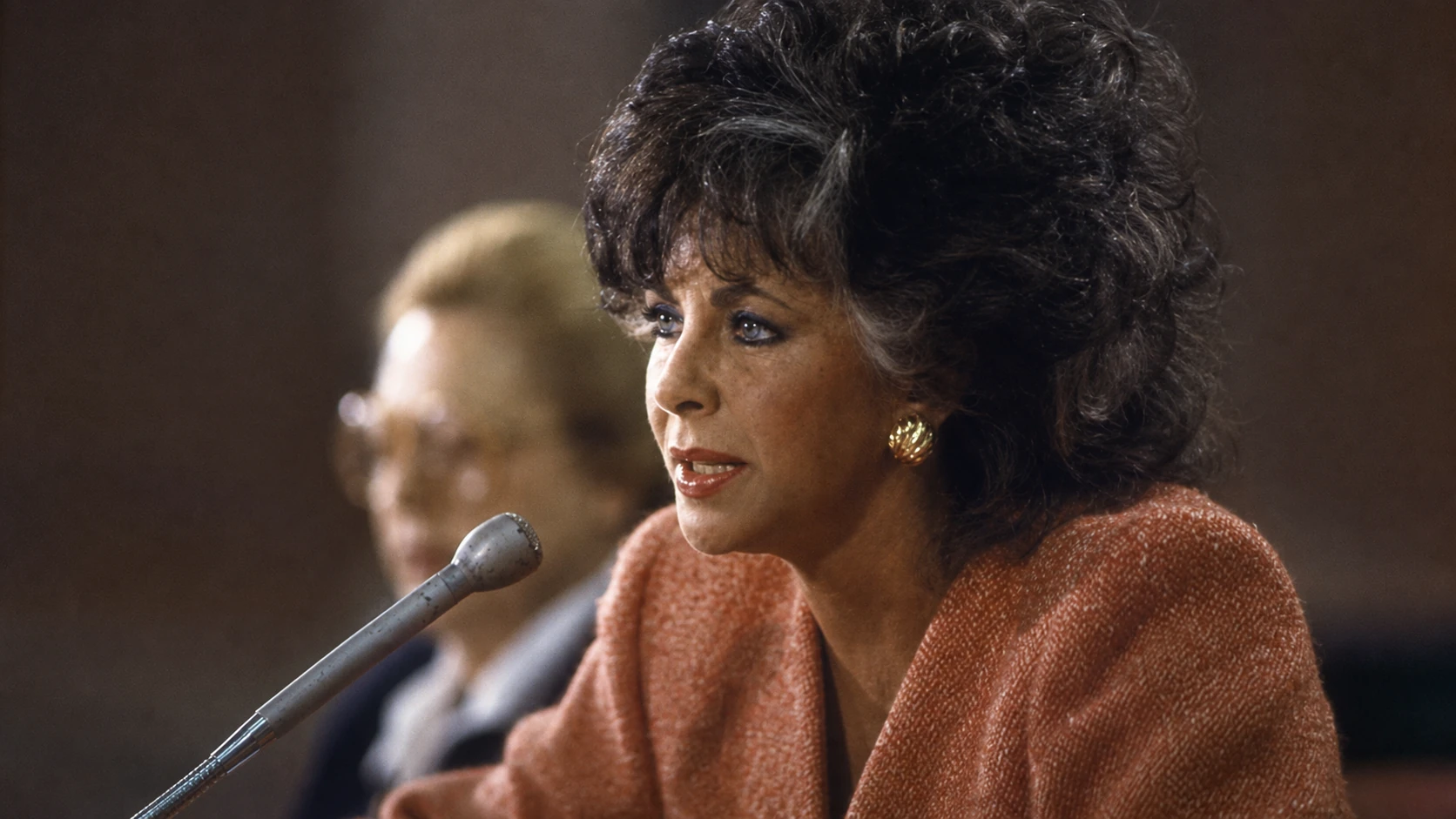
Taylor’s healthcare-related legacy came through activism and philanthropy. She used celebrity, fundraising and public advocacy to support HIV/AIDS research, services and awareness.
Those are very different forms of influence. One belongs to the commercial healthcare system; the other grew out of public advocacy and philanthropy.
They should not be presented as evidence of a shared relationship.
Why their names are appearing together online
What can be established is that a group of recently published pages began targeting the two names together in August 2026.
Some of those pages reached the same basic conclusion that no verified relationship exists. Others went further, suggesting that search engines, automated content systems or online curiosity had created the pairing.
No authoritative evidence has established which of those explanations, if any, is correct.
The clearest documented problem is namesake confusion. When one article links the wrong Karen Lynch while discussing Elizabeth Taylor, later pages can reproduce or amplify an association that never had a reliable factual basis.
For that reason, the strongest answer is also the simplest: the names are appearing together online, but the origin of the pairing remains unverified.
Conclusion
Karen S. Lynch and Elizabeth Taylor are two prominent public figures with no documented family, professional, charitable or personal relationship in the verified record. Lynch’s career belongs to the history of modern American healthcare management, while Taylor’s belongs to both Hollywood and the history of HIV/AIDS advocacy.
Their names may now appear together in search results, but their documented public legacies developed independently. The useful story is not a hidden relationship between them; it is the contrast between two very different careers and the importance of separating verified biography from online repetition.